The BAFTA live broadcast was found to have breached the BBC’s editorial standards due to the use of a racial slur (the N-word) and was described as “highly offensive,” although officials stated that the incident was “not intentional.”
According to the CinemaDrame news agency, Kate Phillips, BBC’s Chief Content Officer, has stated that following the incident she sent letters to Delroy Lindo, Michael B. Jordan, and Tourette’s activist John Davidson and personally issued an apology to them.
The televised broadcast of the racial slur, which was spoken by a Tourette’s syndrome activist during the BAFTA Film Awards ceremony, was declared by the BBC to be in breach of the organisation’s editorial standards.
Despite this conclusion from the BBC’s Executive Complaints Unit (ECU) on Wednesday, the organisation’s Chief Content Officer, Kate Phillips, emphasised that the breach was “not intentional.”
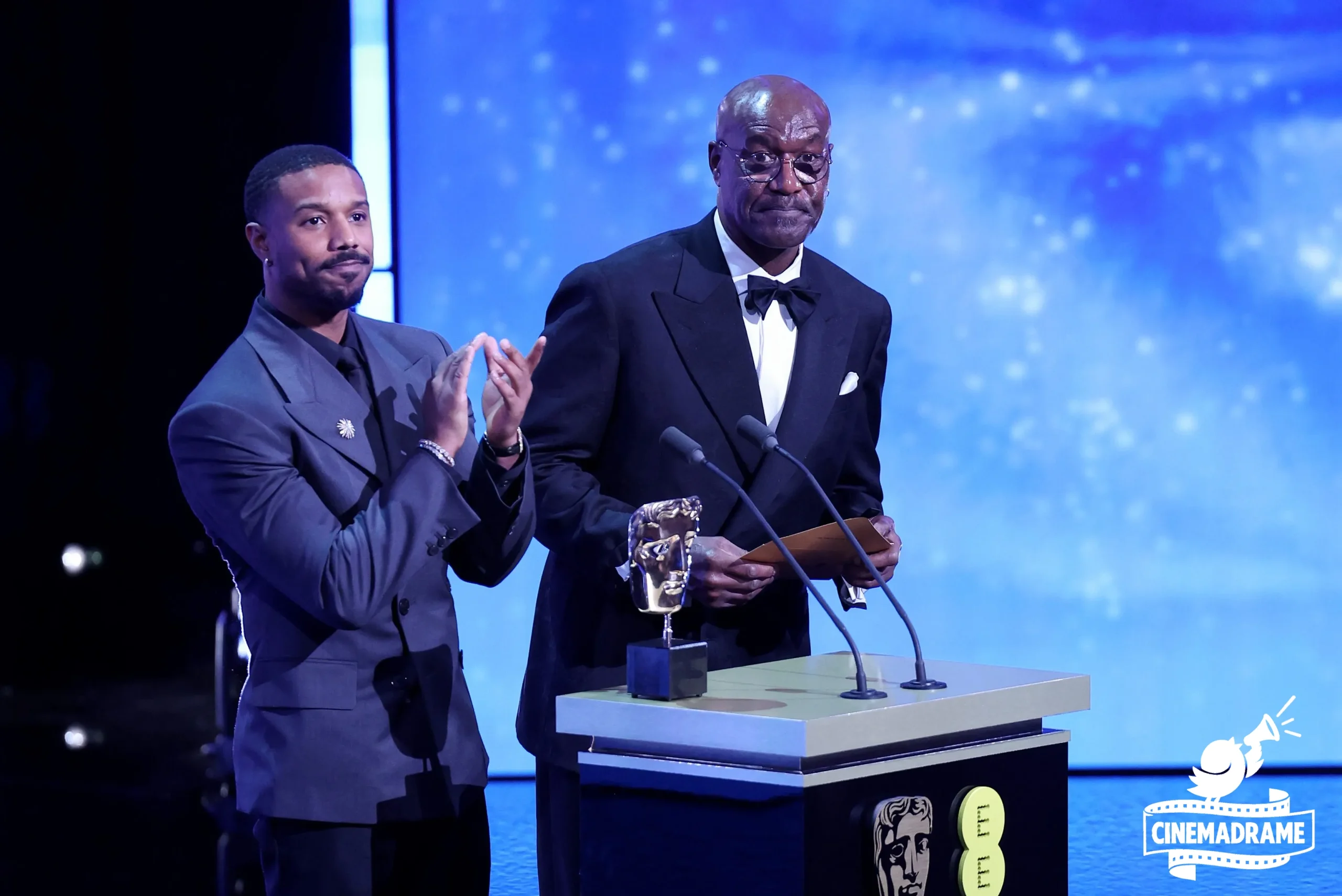
The incident at the BAFTA ceremony in February made headlines for weeks, when John Davidson, the executive producer of the film I Swear (and whose childhood lived experience with Tourette’s inspired the film), involuntarily uttered the racial slur while Michael B. Jordan and Delroy Lindo were on stage presenting the award for Best Special Effects.
Following the incident, a wave of apologies was issued by BAFTA, the BBC, and then-director general Tim Davie. He explained that the word entered the broadcast due to an editing truck error, despite a two-hour delay in the recorded transmission. He described it as a “genuine mistake” and added that he did not know why the programme remained available on the BBC iPlayer streaming service for 15 hours after the ceremony.
The ECU stated that it had received “a large number of complaints” regarding the BBC’s coverage of the BAFTAs and upheld complaints related to “editorial standards in relation to harm and offence.”
The report stated: “The ECU concluded that the use of a racial slur in the broadcast (which was also streamed live on iPlayer) was highly offensive, had no editorial justification, and constituted a breach of BBC standards, but that the breach was unintentional.”
Phillips also confirmed that she personally sent apology letters to Lindo, Jordan, and their co-star in the film Sinners, Wunmi Mosaku, who was also subjected to one of Davidson’s verbal outbursts. She also extended the same apology to John Davidson himself.
The Chief Content Officer said the production team “did not hear the racial slur at the time in the recording and therefore no decision was made to remove it from the broadcast. The ECU has accepted that this was a genuine mistake,” adding: “Especially given that the team correctly identified and removed a subsequent use of the same word, in line with established protocols regarding offensive and unacceptable language.”
The ECU also stated that the continued availability of the programme on iPlayer was a “serious error” and a breach of guidelines. The report said: “Leaving the unedited version available for an extended period increased the severity of the negative impact caused by the unintentional inclusion of the word in the broadcast.”
Phillips said: “There was a lack of clarity among the team on site regarding whether the word was audible in the recording. This led to a delay in the decision to remove the programme from iPlayer.”
She added that the organisation “must learn from its mistakes and ensure that our processes are as robust as possible,” and announced that a series of measures would be implemented to improve event planning, live production, and content removal procedures on iPlayer.
The backlash continued for weeks. Davidson claimed that if anyone believed his actions were intentional, he was “deeply ashamed.” The issue was also raised at the NAACP Image Awards and referenced in an inappropriate satirical segment on Saturday Night Live, prompting The Hollywood Reporter to question whether there is a gap between the United States and the United Kingdom in education about Tourette’s syndrome.